
2026 Global Festival Attractiveness Evaluation Seminar
- Date
- 2026-06-08 13:30 ~ 2026-06-08 17:30
- Location
- Seoul Global Center International Conference Hall
2026 Global Festival Attractiveness Evaluation Seminar
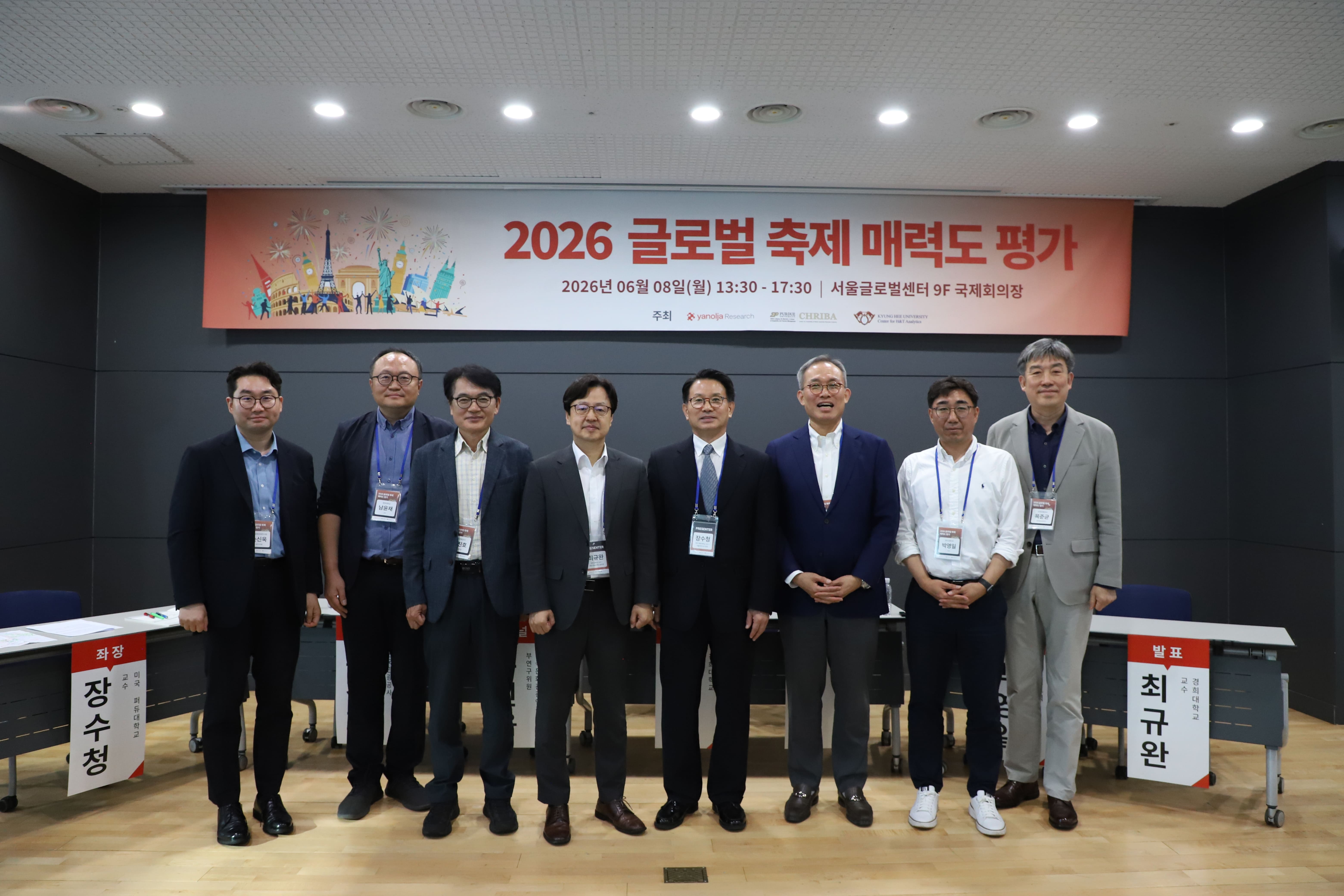
On June 8, 2026, Yanolja Research hosted the 2026 Global Festival Attractiveness Evaluation Seminar at the Seoul Global Center. The seminar marked the first public release of the results of the Global Festival Attractiveness Index (GFAI), also known as the Yanolja Festival Index, an evaluation framework assessing 560 festivals worldwide.
Presentation 1 | Development of the Global Festival Attractiveness Index
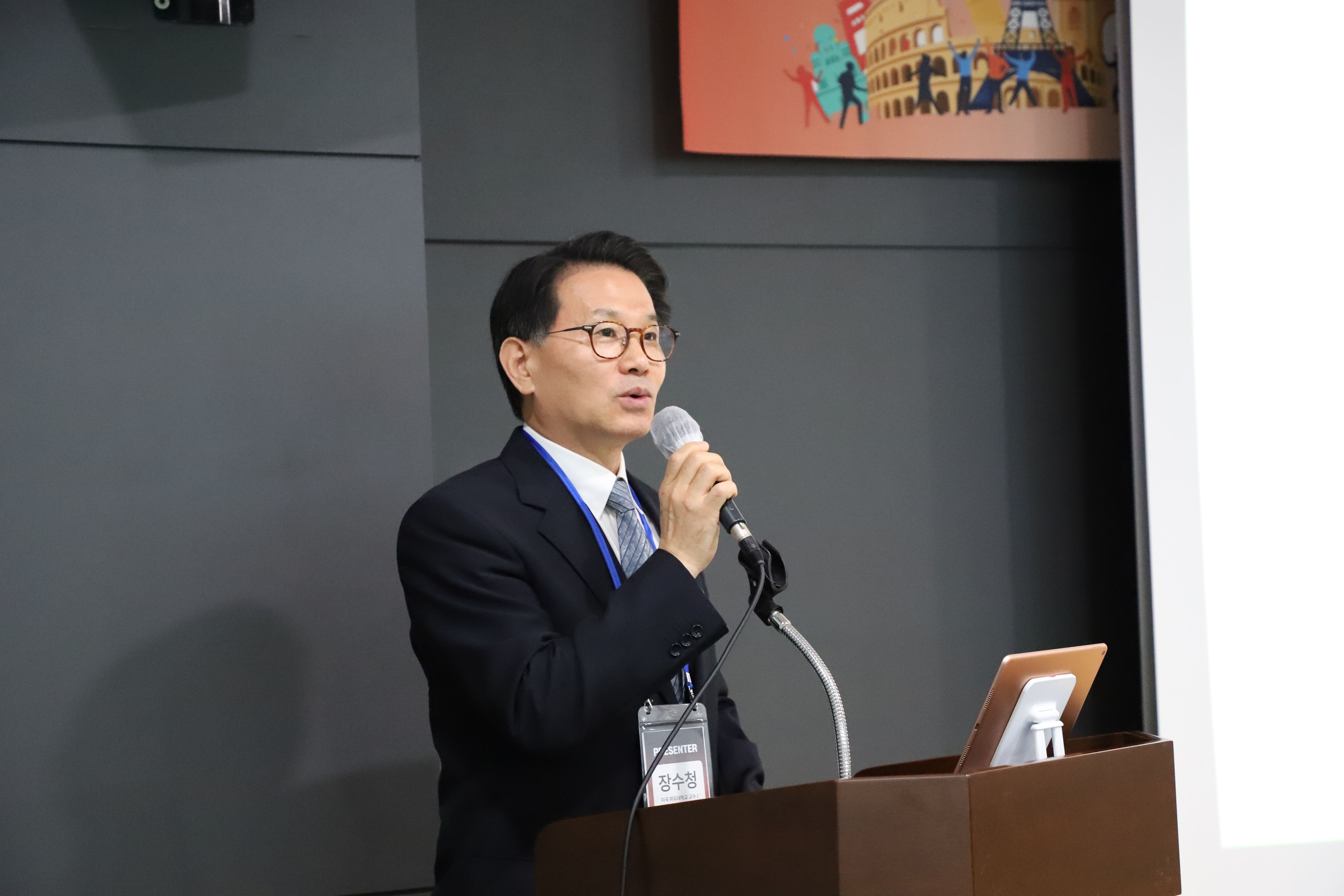
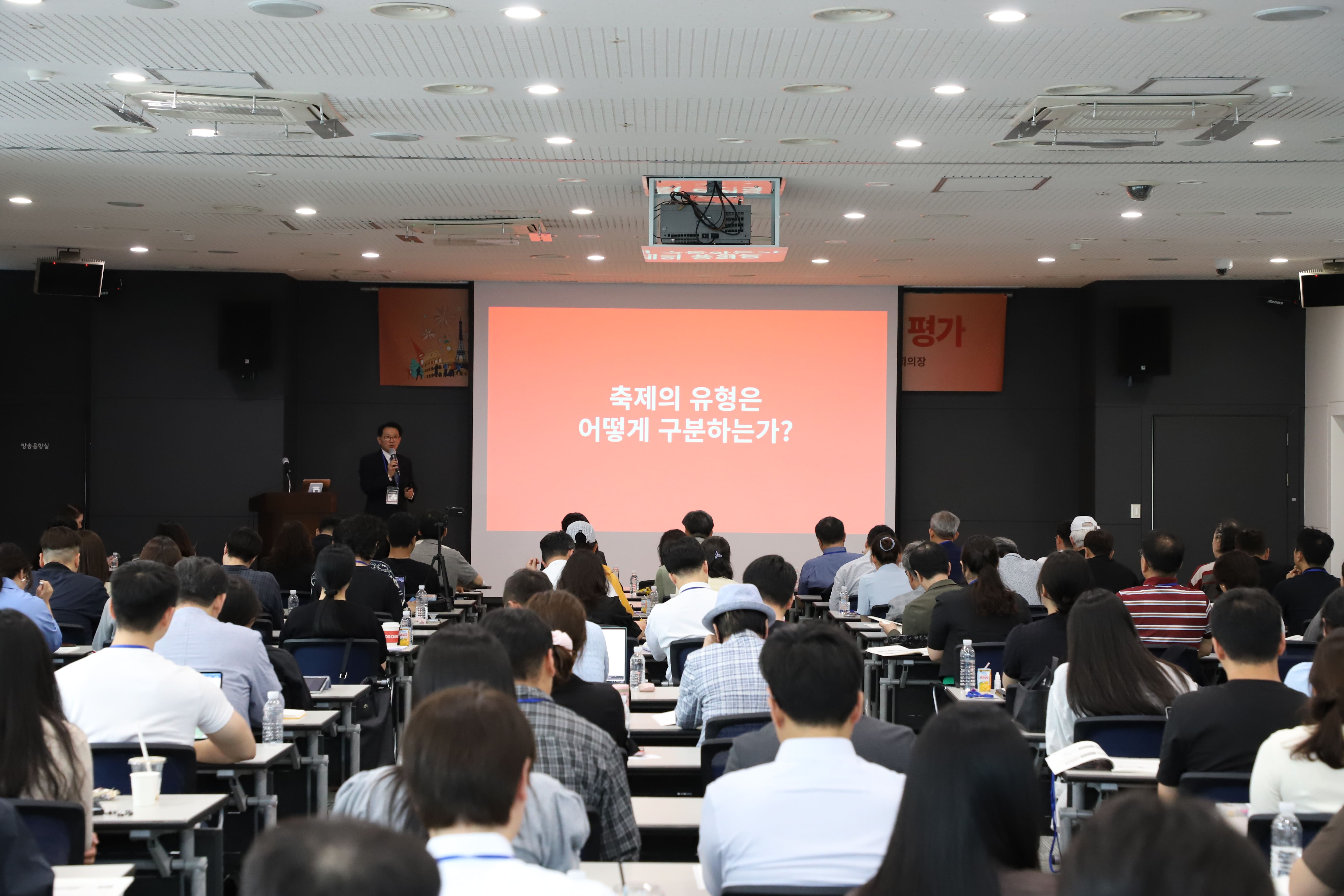
SooCheong (Shawn) Jang, Director of Yanolja Research / Professor, Purdue University
In the first presentation, SooCheong Jang, Director of Yanolja Research and Professor at Purdue University, explained in detail the theoretical foundation, data sources, and analytical methodology behind the development of the Yanolja Festival Index.
The index was jointly developed by Yanolja Research, the Center for Hospitality and Retail Industries Business Analytics (CHRIBA) at Purdue University, and the H&T Analytics Center at Kyung Hee University. It evaluates the attractiveness of major festivals worldwide using global social media data in 14 languages provided by Brandwatch, a UK-based social media analytics platform.
The research team first built a global festival database and conducted a pilot study covering 1,436 festivals. Following this process, 560 festivals were selected for the final analysis.
The Yanolja Festival Index is built on two core dimensions:
- Festival Attractiveness – measures the intensity of positive emotional responses expressed by participants toward a festival.
- Festival Reputation – evaluates the volume of mentions and the degree of global linguistic diffusion, or how widely a festival is discussed across different language communities.
Based on these two pillars, the researchers assessed festival competitiveness across three key dimensions:
- Core Content and Experiences (major programs, performances, and unique identity)
- Festival Atmosphere and Emotional Appeal (stage production, on-site energy, and cultural symbolism)
- Operational Convenience and Infrastructure (facilities, crowd management, accessibility, and value for money)
This analytical framework consists of ten detailed sub-dimensions and provides a comprehensive evaluation of the experiential value festivals offer from the visitor's perspective. A distinguishing feature of the index is its analysis of social media data in 14 languages, enabling it to reflect the voices of global travelers without the Western-centric bias often found in existing evaluation systems.
Presentation 2 | Results of the Global Festival Attractiveness Evaluation
Kyuwan Choi, Professor, College of Hotel & Tourism Management, Kyung Hee University / Director, H&T Analytics Center
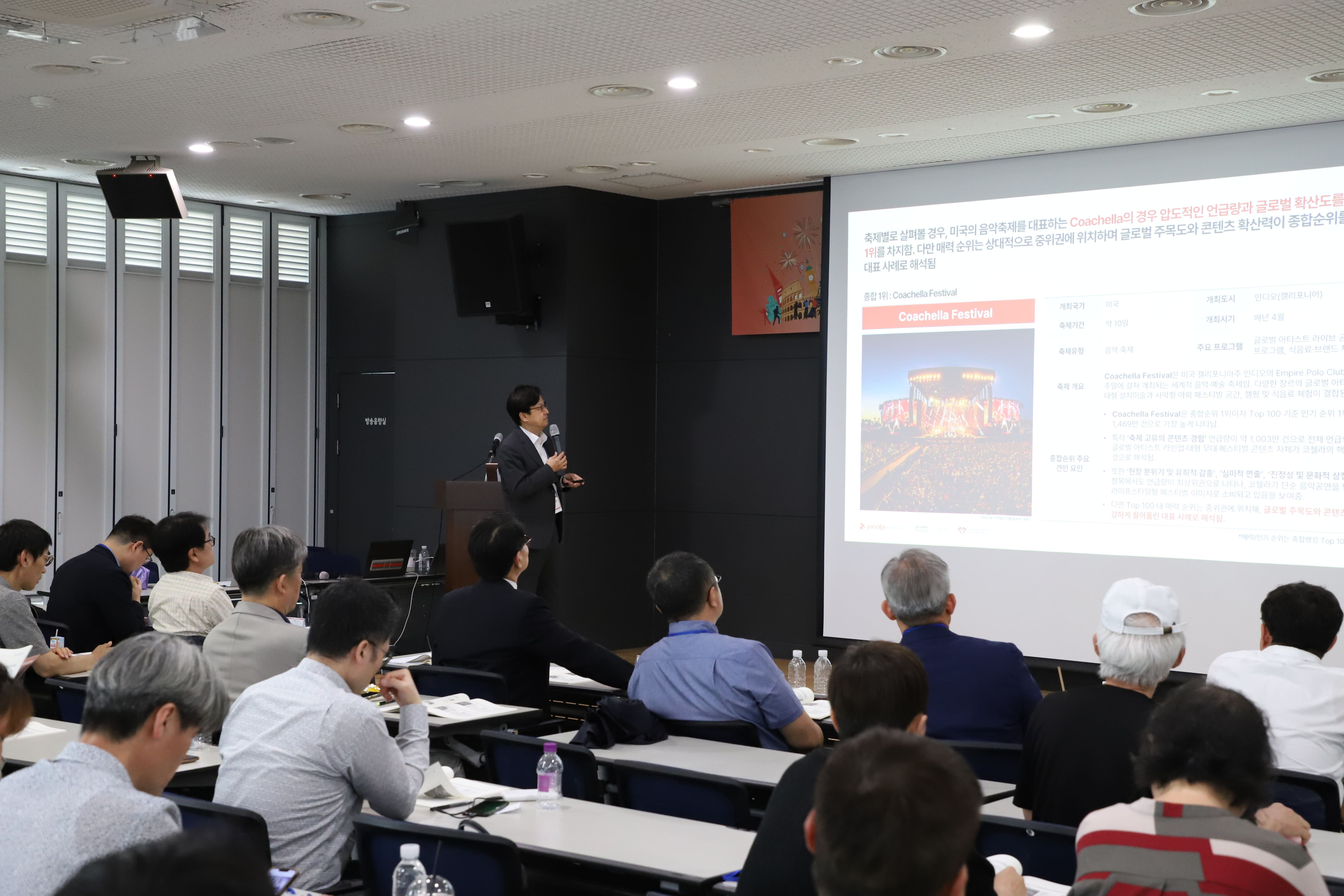
The second presentation was delivered by Professor Kyuwan Choi, who unveiled the results based on the Global Festival Attractiveness Index.
The Coachella Festival in the United States ranked No. 1 overall in 2026. As one of the world's largest music and arts festivals, Coachella received high marks for generating strong emotional resonance across languages and regions on global social media platforms.
Japan's Summer Sonic Festival and Rock in Japan Festival ranked second and third, respectively. They were followed by Spain's Mad Cool Festival (4th), Hungary's Sziget Festival (6th), and Italy's Carnival of Venice (7th), illustrating the strong presence of major music festivals and traditional European cultural festivals among the top rankings.
Strong Performance by Japanese Festivals
Japan demonstrated overwhelming prominence in the rankings. Seven Japanese festivals appeared in the global Top 20:
- Summer Sonic Festival (2nd)
- Rock in Japan Festival (3rd)
- Awa Odori (5th)
- Gion Matsuri (11th)
- Sapporo Snow Festival (13th)
- Fuji Rock Festival (14th)
- Sanja Matsuri (19th)
These festivals performed strongly across diverse categories, including music, traditional culture, and seasonal events.
In Europe, Spain placed two festivals in the upper tier with Mad Cool Festival (4th) and La Tomatina (8th). The United States demonstrated broad cultural influence by placing four festivals in the Top 20: Coachella (1st), Ultra Miami (15th), Kentucky Derby (18th), and SXSW (20th).
Performance of Korean Festivals
Among Korean festivals, Waterbomb Seoul achieved the highest ranking, placing 16th overall and entering the global Top 20. Its strong performance was attributed to its distinctive participatory format combining live music performances with water-based activities, which generated high levels of emotional engagement and social media diffusion across multiple languages.
Other Korean festivals included in the Top 100 were:
- Busan Fireworks Festival (34th)
- Boryeong Mud Festival (58th)
- Jinhae Gunhangje Festival (78th)
- Ultra Korea (87th)
- Seoul Lantern Festival (90th)
A common characteristic of these festivals is their emphasis on immersive, participatory experiences that encourage direct visitor engagement rather than passive observation.
In contrast, many Korean traditional culture and regional specialty festivals showed relatively weak multilingual visibility on global social media despite attracting large numbers of domestic visitors. The findings suggest an urgent need to redesign content and visitor experiences to improve their appeal to international tourists.
Panel Discussion
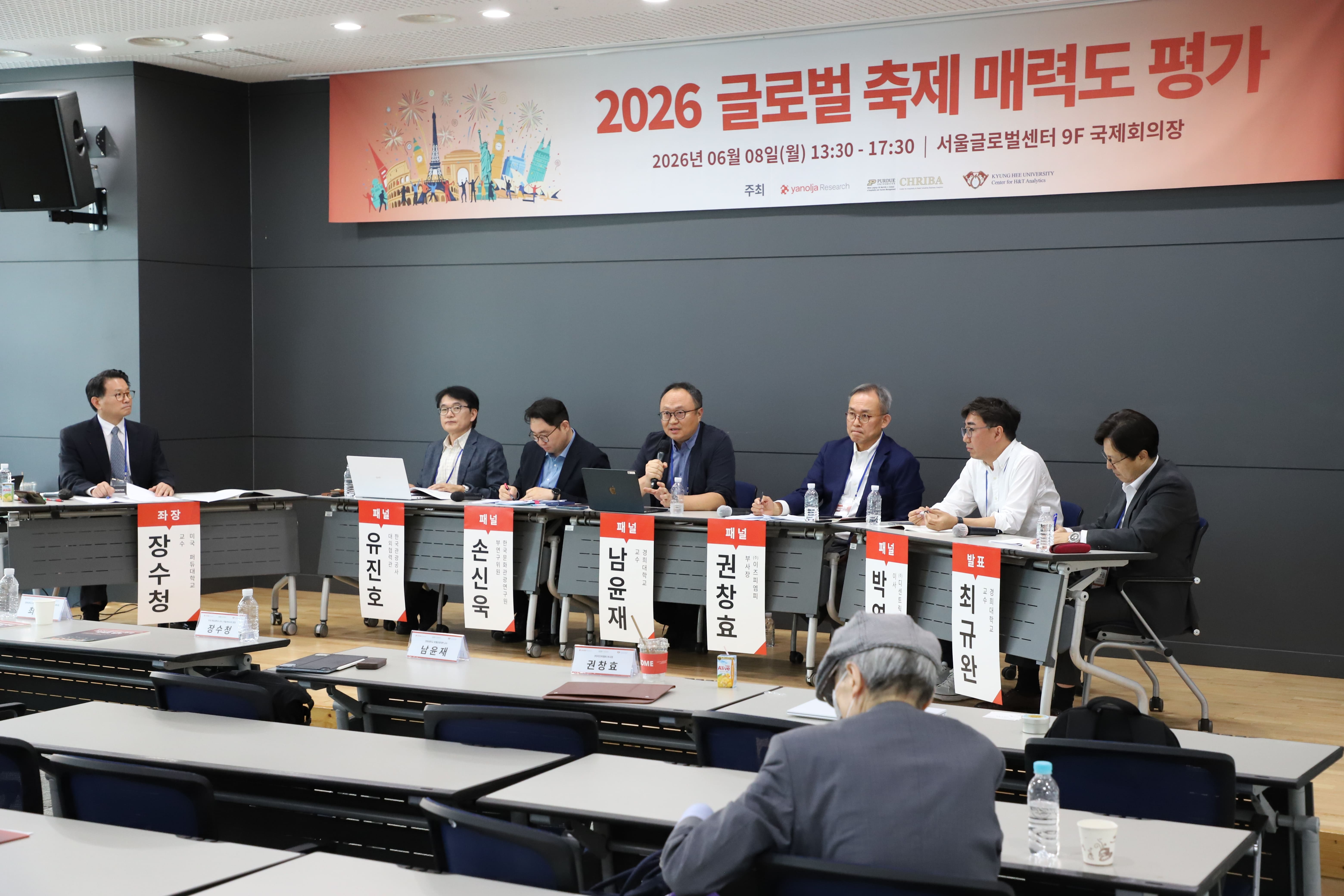
The seminar concluded with a panel discussion moderated by SooCheong Jang, Director of Yanolja Research. The discussion explored various strategies for enhancing festival competitiveness.
Panelists included:
- Jinho Yoo, Director of External Relations, Korea Tourism Organization
- Shinwook Son, Associate Research Fellow, Korea Culture & Tourism Institute
- Yoonjae Nam, Professor, Kyung Hee University
- Changhyo Kwon, Executive Vice President, EZPMP Co., Ltd.
- Youngil Park, Director, Decentric Co., Ltd.
The discussion focused extensively on festival content and experience design.
Executive Vice President Changhyo Kwon noted that music festivals are evolving beyond simple spectator events into platforms for self-expression. He emphasized the importance of creating content that participants want to share on social media while simultaneously improving visitor infrastructure such as transportation and restroom facilities.
Professor Yoonjae Nam highlighted that the competitiveness of Japanese cultural heritage festivals stems from the active involvement of local residents in planning, operating, and participating in the events. This structure allows visitors to experience living culture firsthand. He argued that Korean festivals should similarly create environments where visitors can actively engage with local culture.
Marketing and Promotion Strategies
The panel also engaged in an in-depth discussion on promotional strategies.
Jinho Yoo observed that Japan's "software capital"—its globally influential cultural content—serves as a major driver of inbound tourism. He suggested that K-pop festivals should strengthen strategies that encourage audiences to promote events organically.
Youngil Park emphasized that understanding dissemination channels and communication frameworks is just as important as the quality of the content itself. He further highlighted the need for new digital strategies in response to the growing prevalence of generative AI and the rise of zero-click search environments.
Economic Impact and Sustainability
Addressing economic impact and sustainability, Associate Research Fellow Shinwook Son stressed that maximizing a festival's ripple effects requires integrated planning across food and beverage services, accommodations, and transportation. He argued that festivals must be viewed not merely as events but as part of a broader industrial ecosystem capable of generating sustainable economic returns and long-term value.
 Prev
Prev  Back
Back 