
<2026 Evaluation of Korea’s Leading Festivals> Seminar
- Date
- 2026-08-11 13:30 ~ 2026-08-11 17:30
- Location
- Seoul Global Center International Conference Hall
<2026 Evaluation of Korea’s Leading Festivals> Seminar
On August 13, 2026, Yanolja Research hosted the <2026 Evaluation of Korea’s Leading Festivals> Seminar. At the seminar, Yanolja Research officially introduced the Korea Festival Attractiveness Index, Korea’s first consumer-centered festival evaluation index based on social big data, also referred to as the NOL Korea Festival Index.
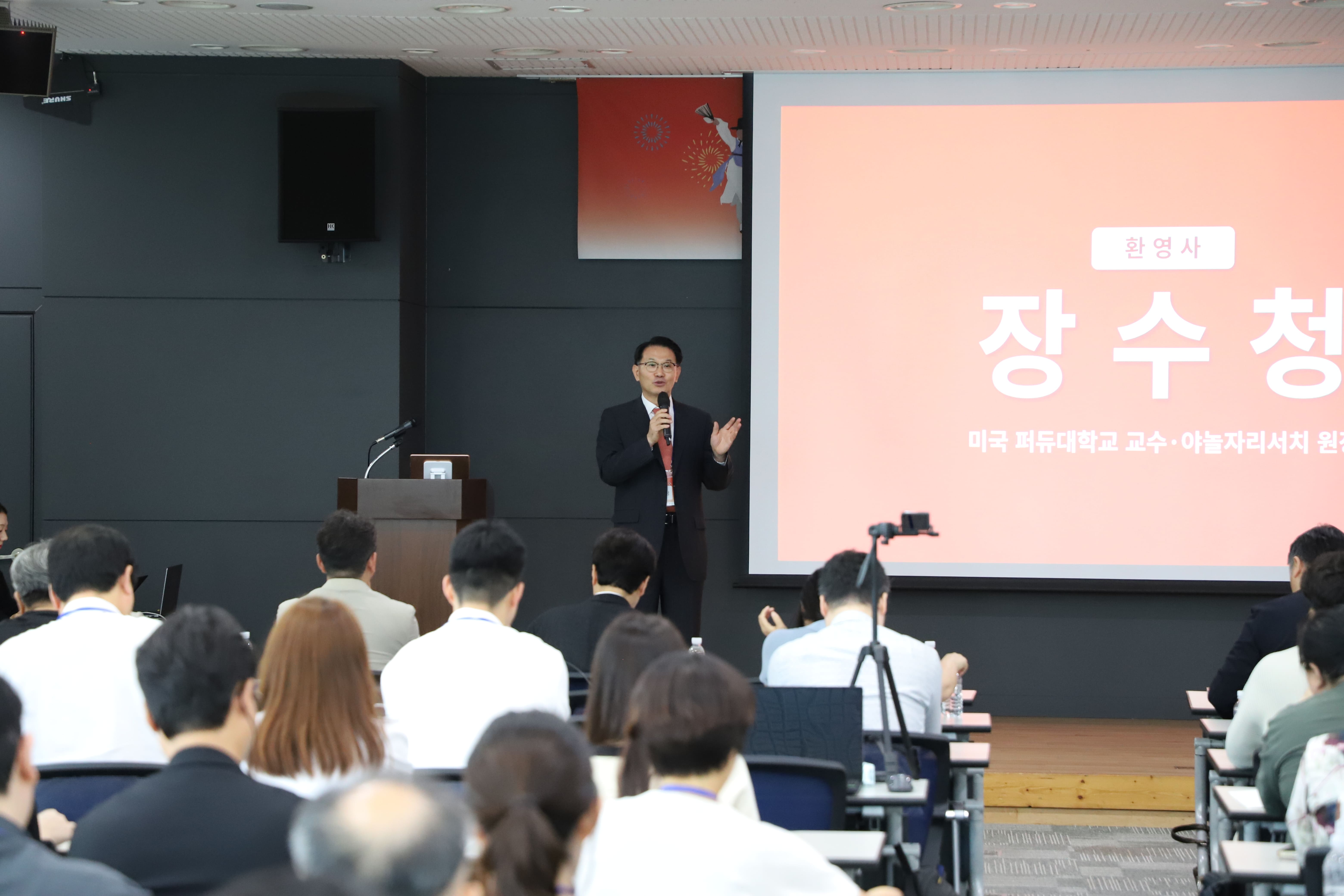
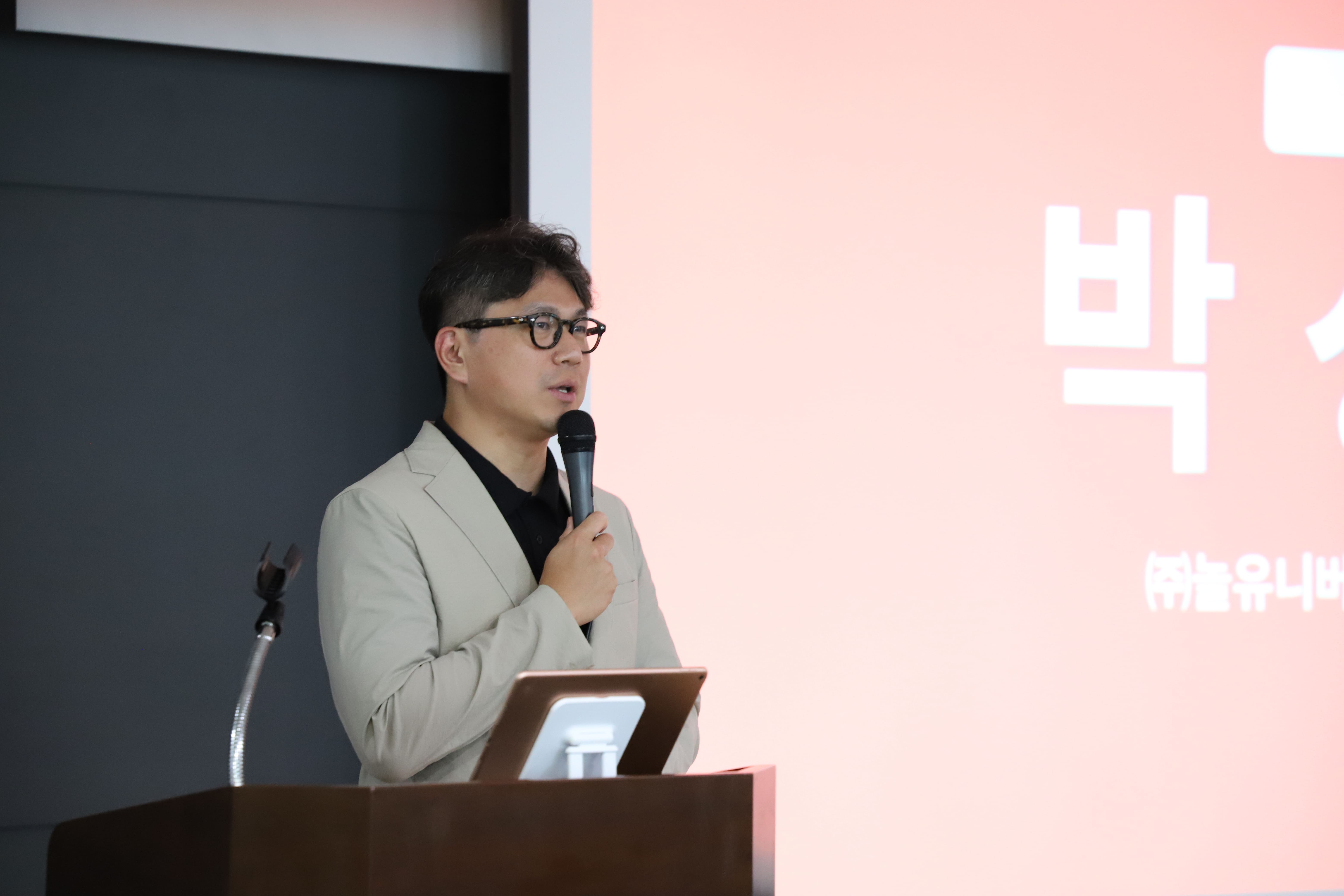
Prior to the main presentations, the event opened with welcoming remarks from Sung-Sik Park, Head of External Strategy at NOL Universe, and Dr. SooCheong Jang, President of Yanolja Research and Professor at Purdue University.
Presentation I: Development of the Korea Festival Attractiveness Index
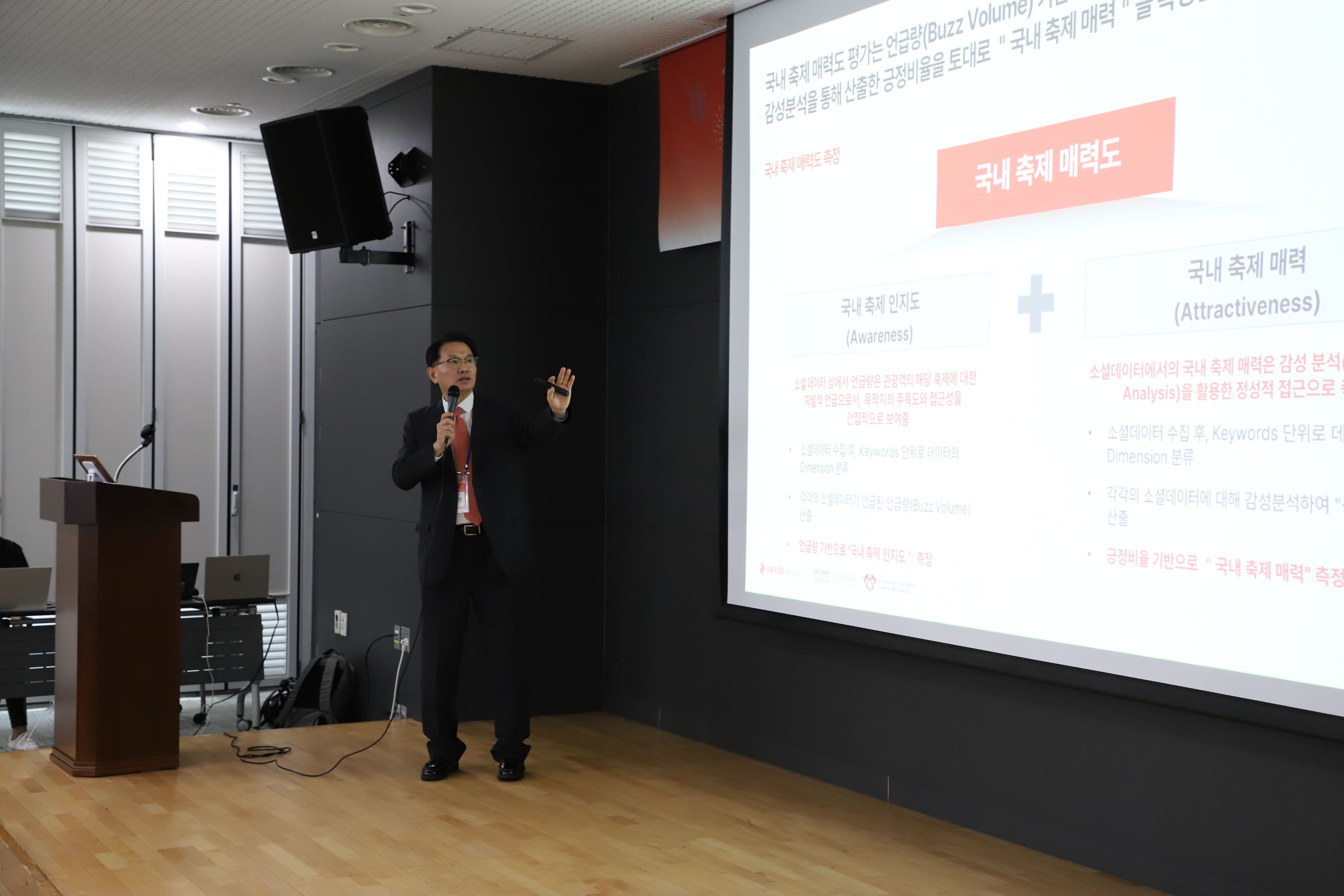
SooCheong Jang, President of Yanolja Research / Professor, Purdue University
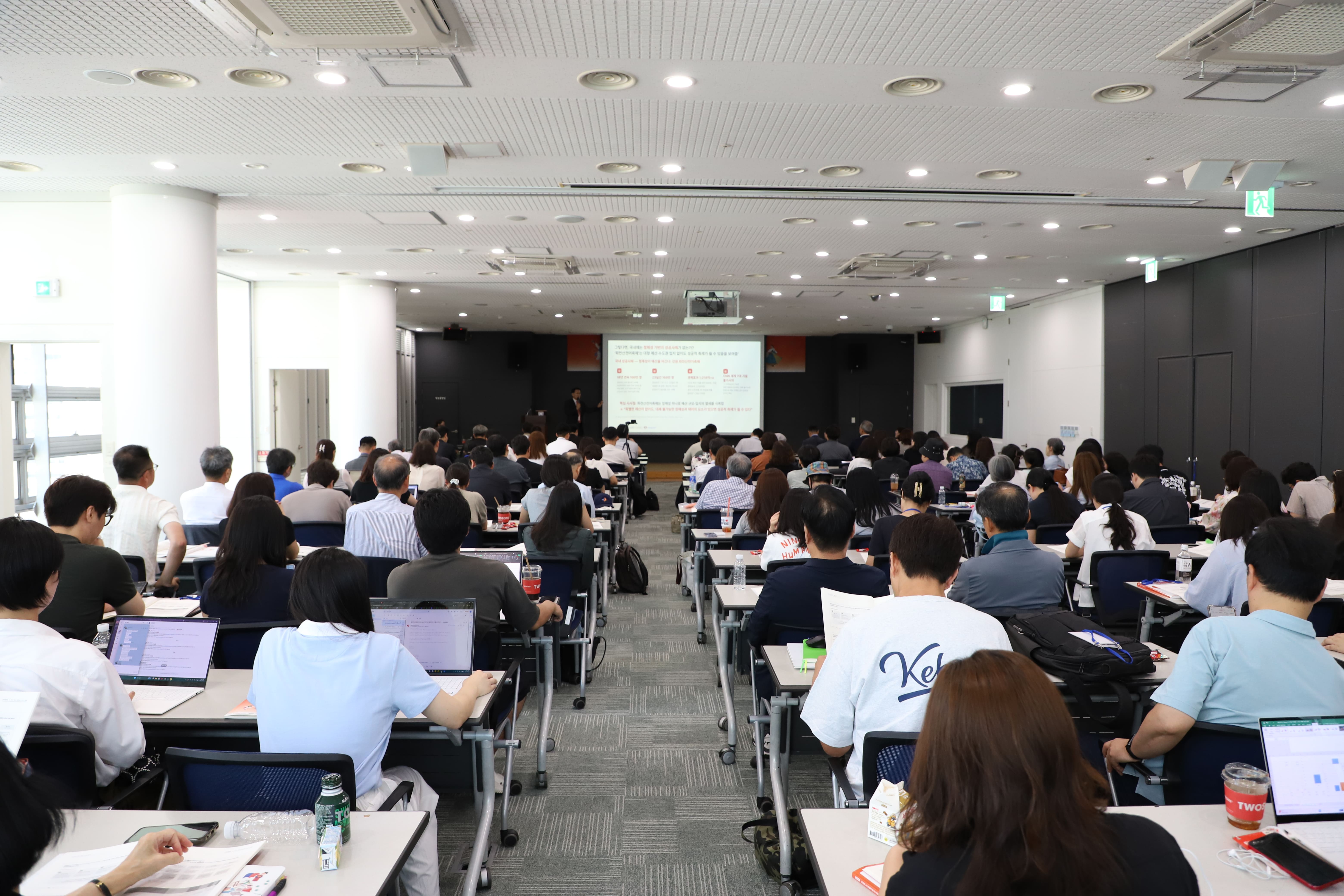
In the first presentation, Dr. SooCheong Jang proposed four paradigm shifts necessary for Korean festivals to reach the next stage of development: ▲ provider-centered → consumer-centered ▲ quantitative expansion → qualitative advancement ▲ administrative logic → market logic ▲ domestic orientation → global orientation.
To put these shifts into practice, Dr. Jang presented five key innovation priorities: ① establishing an evaluation system centered on consumer experience; ② consolidating or restructuring festivals that consistently underperform; ③ establishing permanent, autonomous private-sector organizations supported by multi-year budgets and professional personnel; ④ eliminating gaps in the evaluation and disclosure of festivals with budgets below KRW 300 million; and ⑤ developing globally recognized festival brands by concentrating resources on a select number of highly competitive flagship festivals.
Presentation II: Results of the Korea Festival Attractiveness Evaluation
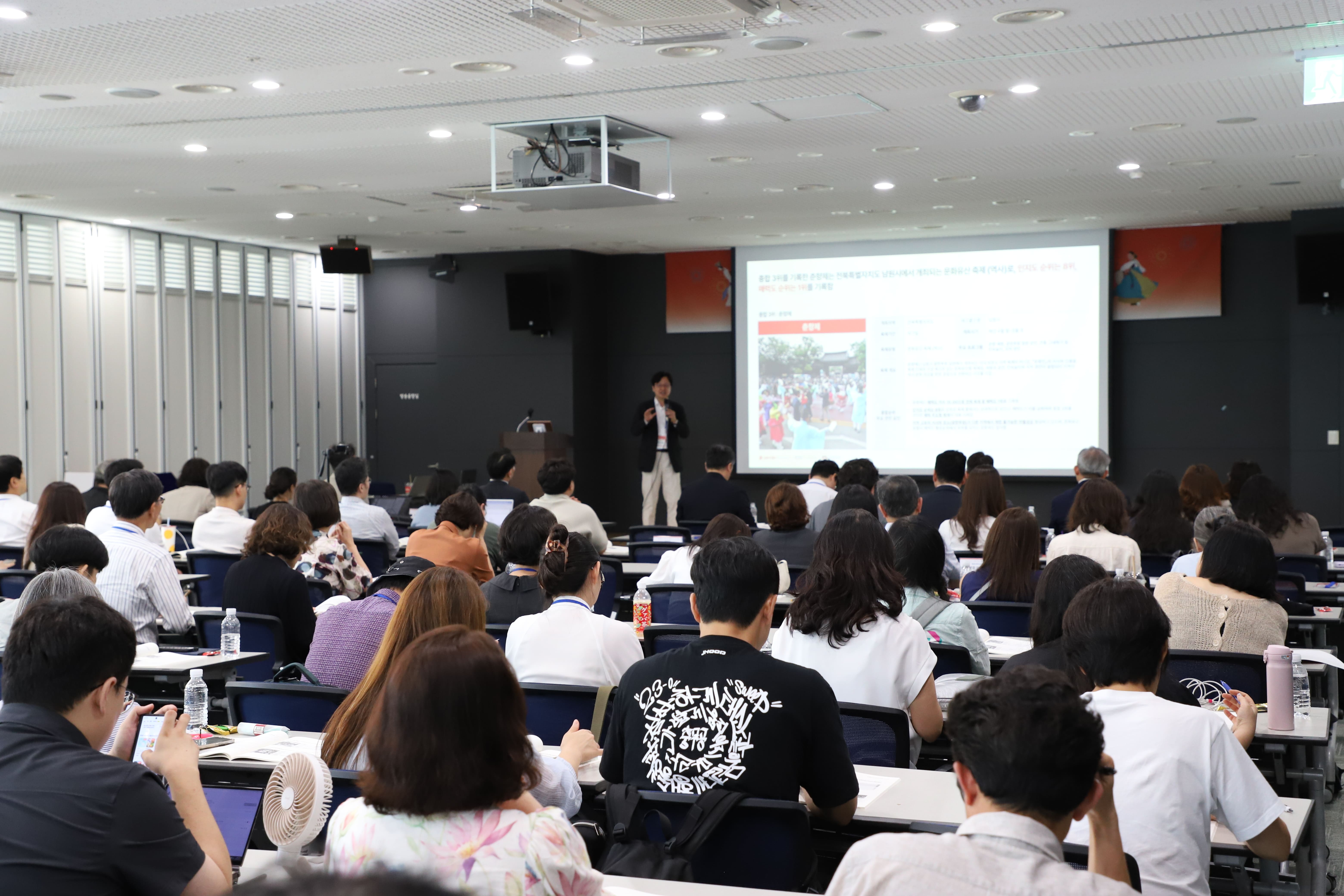
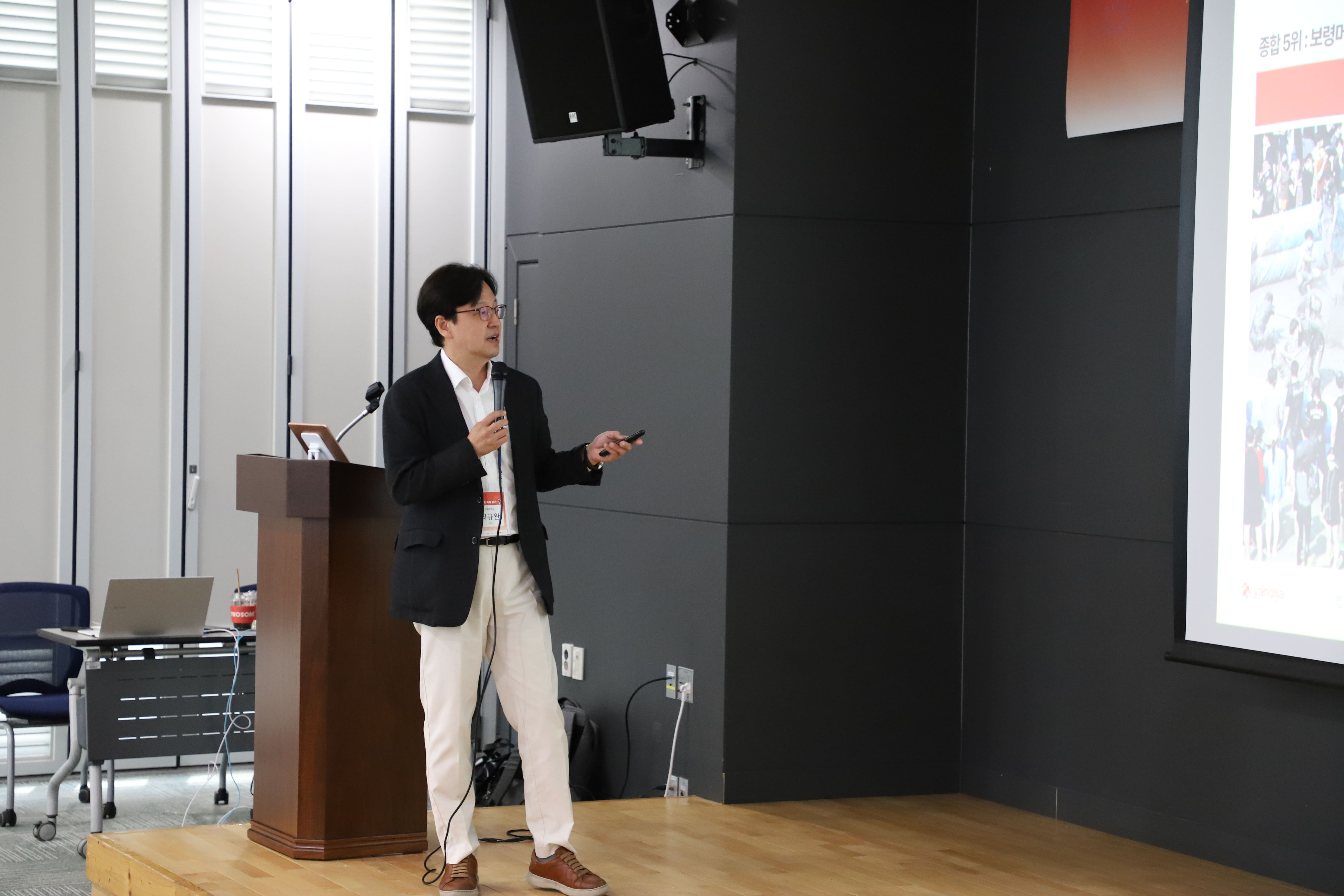
Kyu-Wan Choi, Professor, College of Hotel & Tourism Management, Kyung Hee University / Director, H&T Analytics Center
In the second presentation, Professor Kyu-Wan Choi unveiled the major findings of the NOL Korea Festival Index and highlighted key characteristics by festival type.
According to the analysis, the Seoul International Fireworks Festival with Hanwha ranked first overall among 1,452 festivals nationwide. Despite being held for just one day, the festival received the highest overall evaluation, supported by overwhelming social media attention and strong public awareness. It was followed by the Jinhae Gunhangje Festival, which combines cherry blossom scenery with the historical identity of a naval port city, and the Chunhyang Festival, which received a perfect attractiveness score of 10 based on its traditional narrative and the nighttime scenery of Gwanghalluwon Garden. The Seoul Lantern Festival and Boryeong Mud Festival also demonstrated strong competitiveness through distinctive nighttime urban scenery and differentiated signature content, respectively.
One of the key findings was that a “well-known festival” is not necessarily the same as a “festival that delivers a strong visitor experience.” By festival category, fireworks and lantern festivals, which use light as their core theme, recorded the strongest overall performance. Music festivals, by contrast, had the highest average awareness but relatively low attractiveness, indicating a “high-awareness, low-attractiveness” structure in which on-site visitor satisfaction lagged behind media buzz and lineup appeal. For example, WonderLivet ranked third in awareness but only 99th in attractiveness.
Conversely, a number of festivals based on traditional cultural heritage or local specialties emerged as “hidden gems,” achieving high visitor satisfaction despite relatively low public awareness. The Camellia Flower and Webfoot Octopus Festival ranked 44th in attractiveness but 100th in awareness, while the Sorae Port Festival ranked 21st in attractiveness and 61st in awareness. These festivals were identified as having significant potential for further growth if supported by stronger promotion and branding. By season, autumn festivals accounted for the largest share of the sample, with 90 festivals, or 45% of the total, highlighting intensifying competition among festivals concentrated in the autumn season and the need for greater seasonal diversification.
Professor Choi proposed four strategies to enhance the competitiveness of Korean festivals: ▲ developing festivals and restructuring festival portfolios around distinctive local assets, differentiated experiences, and signature content ▲ using data-driven customer segmentation to establish clear value propositions for each target group ▲ implementing customized promotion and branding strategies based on levels of awareness and attractiveness ▲ building sustainable operating and performance management systems led by professional private-sector organizations.
He particularly emphasized the need to move away from the idea of a “festival for everyone” and instead clearly define each festival’s target audience and design differentiated value that is especially meaningful to that audience. He also highlighted the need to move beyond annual administrative planning and staff rotation systems toward a structure in which festivals are continuously developed through professional private-sector organizations and multi-year planning.
Awards for Leading Festivals
Based on the evaluation results, Yanolja Research selected and presented awards to outstanding festivals.
| Category | Awarded Festival | Reason for Selection |
|---|---|---|
| Grand Prize | Seoul International Fireworks Festival with Hanwha | Ranked No. 1 nationwide overall in awareness and attractiveness; Korea’s top representative festival |
| Excellence Award | Jinhae Gunhangje Festival | Ranked among the overall Top 2 representative festivals in Korea |
| Excellence Award | Chunhyang Festival | Ranked No. 1 nationwide in attractiveness, reflecting visitor experience and satisfaction |
| Outstanding Award | Seoul Lantern Festival | Selected among Korea’s Top 10 representative festivals |
| Outstanding Award | Baekje Cultural Festival | Selected in Top 10 Korea Representative Festivals |
| Outstanding Award | Yeongdeungpo Yeouido Spring Flower Festival | Selected in Top 10 Korea Representative Festivals |
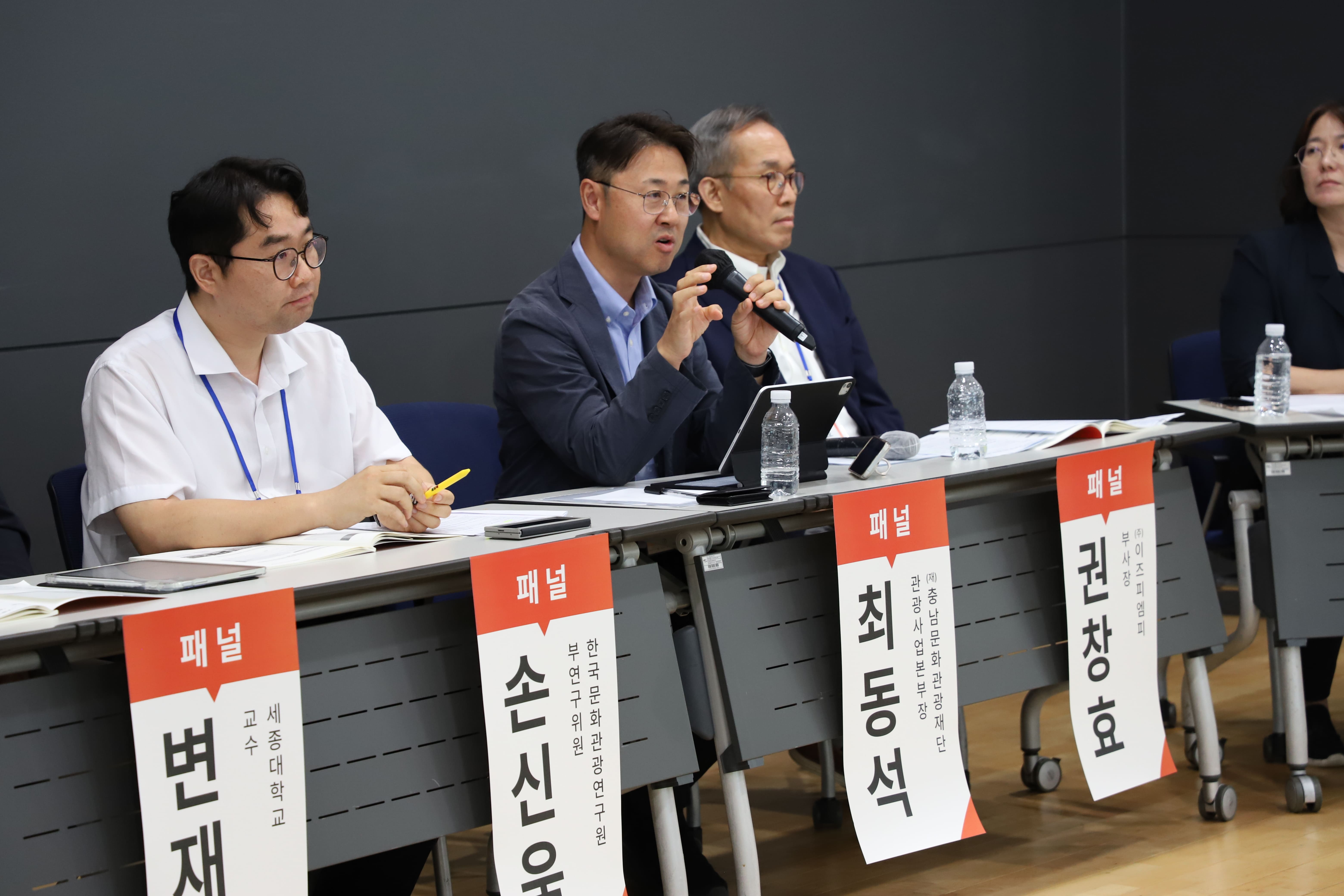
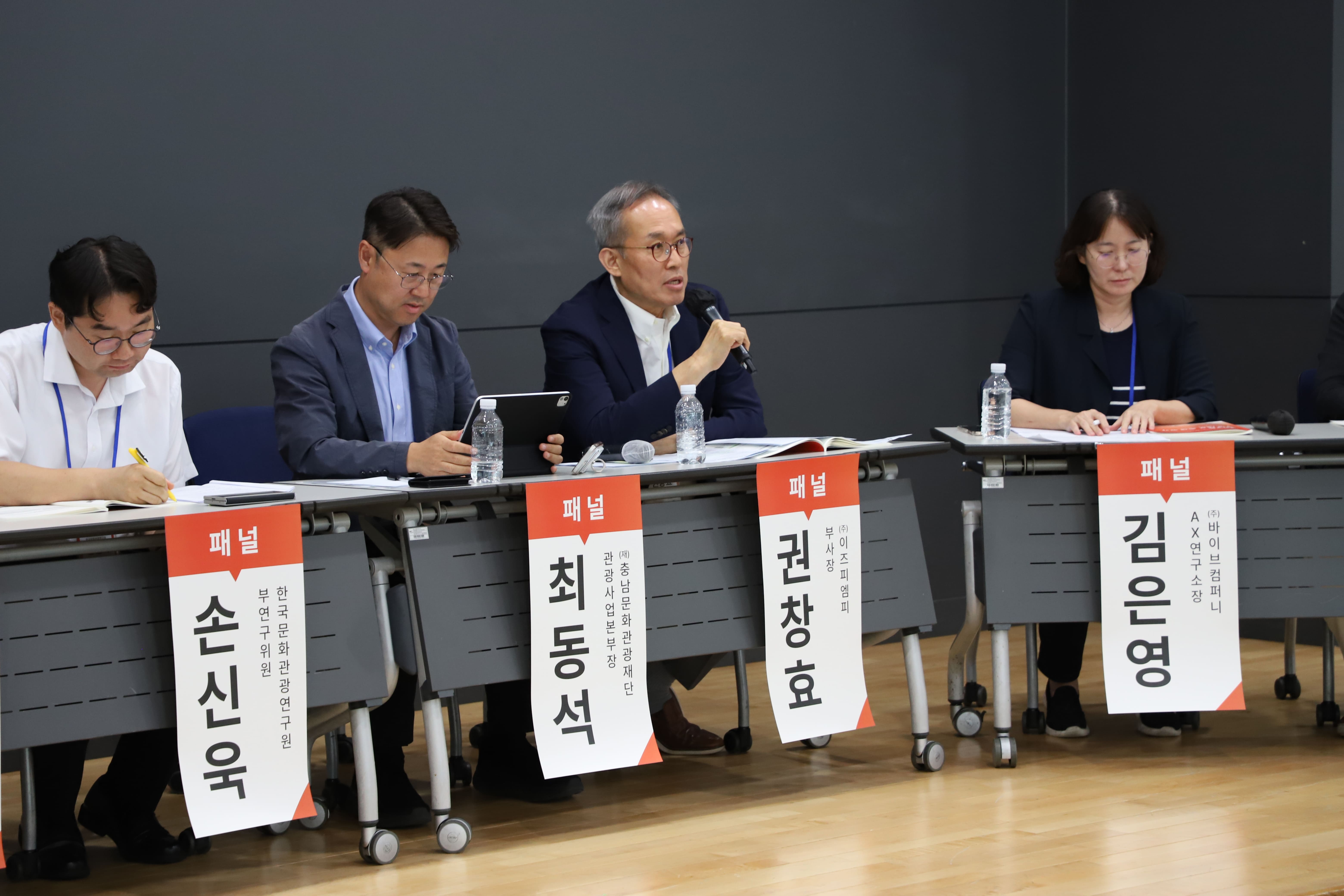
Panel Discussion
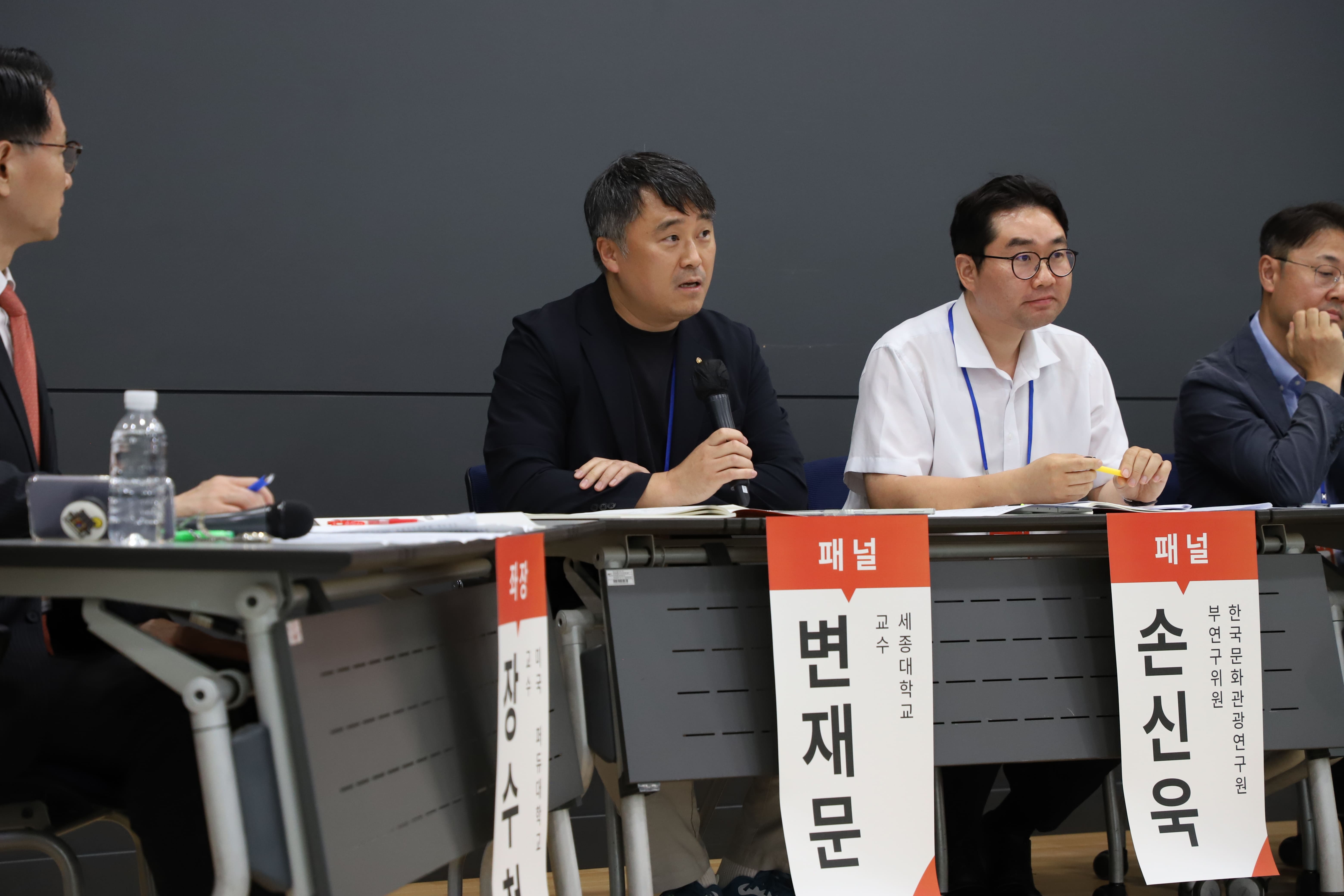
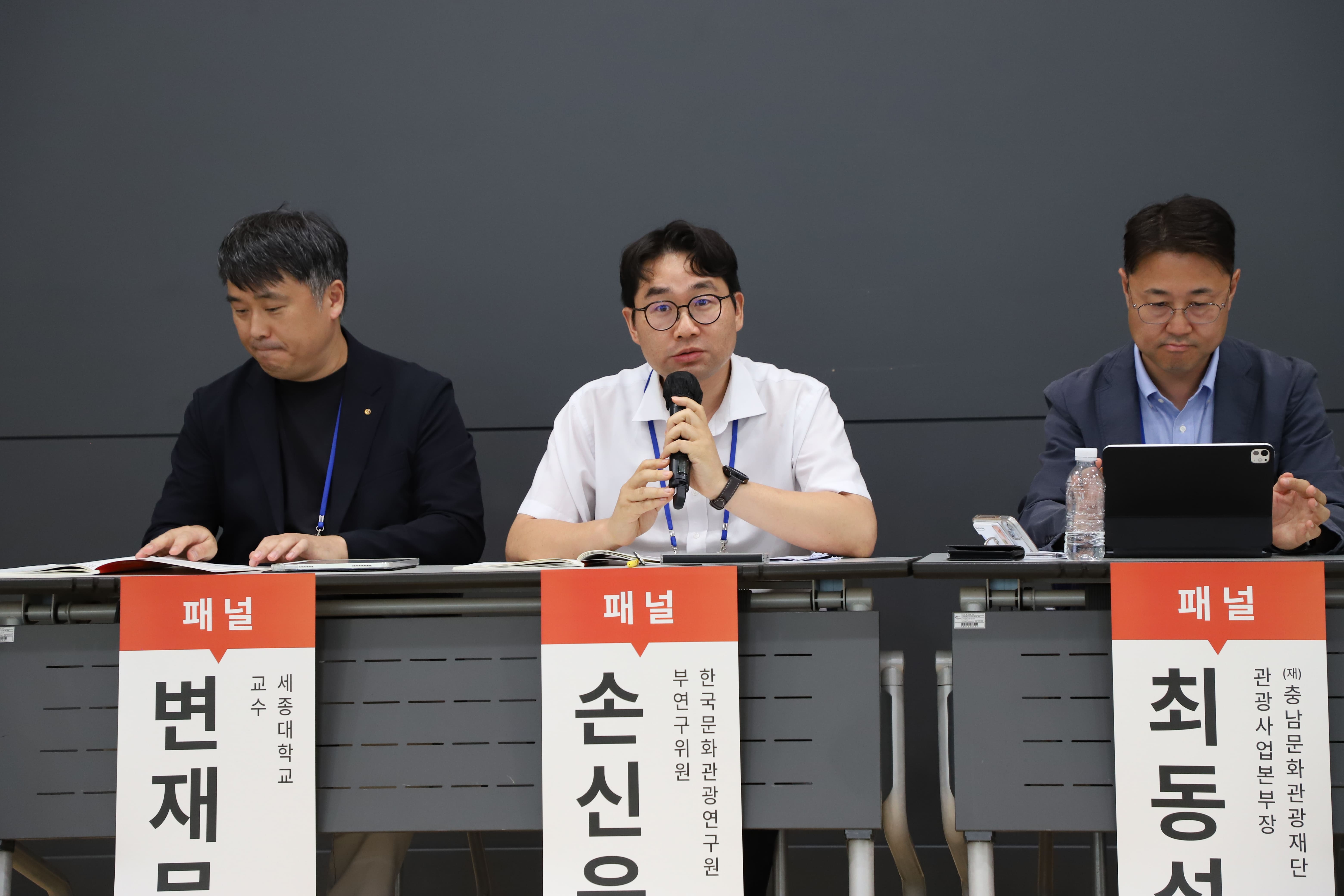
Jae-Moon Byun, Professor, College of Hospitality and Tourism Management, Sejong University
Shin-Wook Son, Associate Research Fellow, Korea Culture & Tourism Institute
Dong-Seok Choi, Head of Tourism Business Division, Chungnam Culture and Tourism Foundation
Chang-Hyo Kwon, Vice President, eZpmp Co., Ltd.
Eun-Young Kim, Head of AX Research Institute, VAIV Company Inc.
During the panel discussion, participants broadly agreed that Korean festivals need to undergo a qualitative transformation in order to build sustainable competitiveness. In particular, since festival awareness and visitor satisfaction do not necessarily move together, panelists emphasized the importance of data-driven performance management that evaluates not only visitor numbers and promotional outcomes, but also the competitiveness of festival content and the quality of the visitor experience. There was also broad consensus on the need to move away from the repeated development of similar festivals across regions, establish differentiated identities based on each region’s unique cultural, historical, natural, and industrial assets, and concentrate long-term investment and professional expertise on festivals that have demonstrated clear competitiveness.
The discussion also addressed the need to move beyond festivals designed primarily for domestic visitors and adopt a more global perspective so that festivals can attract international tourists. Rather than simply expanding foreign-language information, participants highlighted the importance of developing tourism products that reflect international visitors’ travel routes and interests, connecting festivals with tourism infrastructure such as transportation and accommodation, and implementing targeted overseas marketing. Through these efforts, regional festivals could be developed into tourism content that represents Korea in the global market.
The seminar was significant in that it proposed a new evaluation framework and development direction for identifying and fostering competitive festivals through data, while calling for a broader shift in Korean festival policy and management from a provider- and administration-centered approach toward a consumer- and market-centered model.
 Prev
Prev  Back
Back